
Ethiopia’s GERD: Lessons for Diaspora Participation in Infrastructure Finance
By Diaspora Country Index (DCI)
Published: September 8, 2026
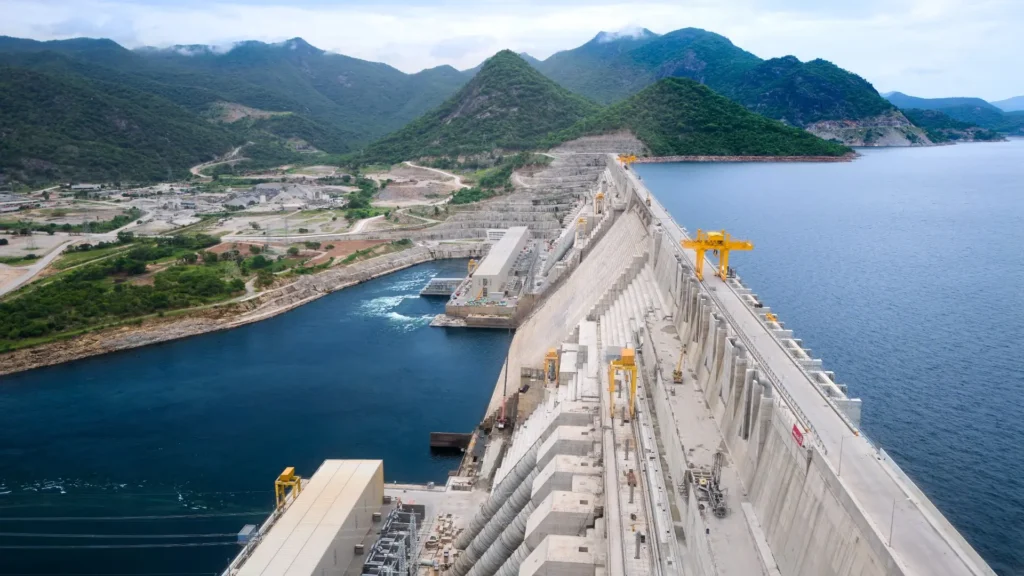
Ethiopia’s Grand Ethiopian Renaissance Dam offers a useful case for countries exploring diaspora participation in infrastructure development. Ethiopian communities abroad contributed to a national project through financing and, according to Ethiopian officials, expertise, advocacy, and international engagement. Fana Media Corporation
For DCI, the central lesson is readiness. Governments seeking diaspora participation need credible projects, clear responsibilities, accessible participation channels, and systems for maintaining trust throughout delivery.
The Development Challenge
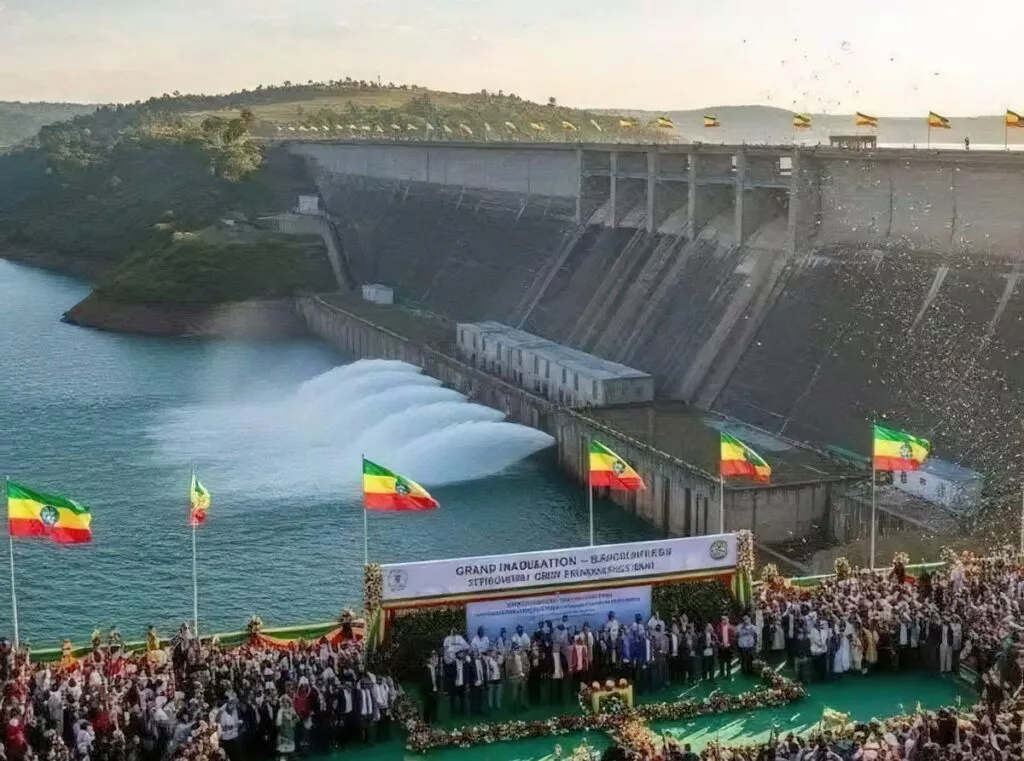
Construction of GERD began in 2011. Ethiopia inaugurated the dam in September 2025, with the project intended to expand electricity supply and support regional power exports. Reuters reported a project cost of approximately $5 billion. The dam also generated longstanding disputes with downstream countries over water security and operations. Reuters, September 2025
Financing and Participation
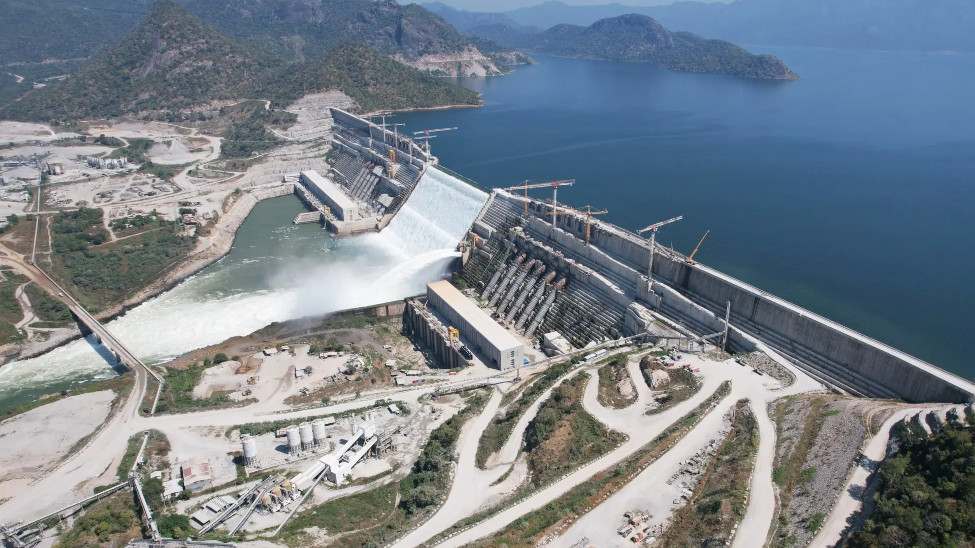
GERD brought together national development ambitions and contributions from Ethiopians at home and abroad. In July 2025, the GERD Coordination Office described the dam as financed entirely by the Ethiopian people and government. Its account identified bond sales, donations, SMS campaigns, and community fundraising as participation channels. Fana Media Corporation
An earlier Brookings account identified Chinese bank financing for turbines and electrical equipment. These accounts differ on external financing, making attribution and clear distinctions between project components necessary. Brookings
Diaspora participation formed part of the wider financing effort. The evidence reviewed does not support presenting diaspora bonds as the main funding source or assigning the diaspora a precise share of total project costs.
For other countries, the practical lesson is to define the diaspora’s expected contribution within an overall financing plan. Governments should distinguish public financing, domestic contributions, diaspora investment, and donations.
How Overseas Participation Worked
The United States provides a documented example of Ethiopia’s outreach. Ethiopian Electric Power marketed bonds to residents of Ethiopian descent through public roadshows, the Ethiopian embassy’s website, and radio and television advertising. These channels connected an identifiable overseas community with a specific infrastructure project. U.S. Securities and Exchange Commission
DCI’s interpretation is straightforward: diaspora participation requires organized engagement. Announcing an investment opportunity is one step. Governments also need institutions able to answer questions, explain participation terms, maintain records, and communicate progress.
Diaspora Contributions Beyond Finance
According to the GERD Coordination Office, diaspora Ethiopians supported the project through financial contributions, expertise, advocacy, and international engagement. Fana Media Corporation reported these statements in July 2025. This official account identifies participation beyond fundraising, although the article does not detail specific technical assignments or measure their outcomes. Fana Media Corporation
For DCI, this experience supports a broader approach to diaspora readiness. Governments should establish clear channels for professional expertise alongside financial participation, with defined responsibilities and documented results.
A Regulatory Setback
The U.S. bond offering exposed a preparation gap. In June 2016, the Securities and Exchange Commission announced a settlement with Ethiopian Electric Power over unregistered bond sales. The utility admitted registration violations and agreed to return funds with interest. SEC settlement announcement
Fundraising outcomes alone offer an incomplete measure of readiness. DCI’s lesson is to resolve market access, disclosure, and investor protection requirements before launching an overseas campaign.
Lessons for Other Countries
Begin with a Defined Development Purpose
Explain the problem a project addresses, who benefits, how delivery will proceed, and which institution holds responsibility. Prospective participants need a clear account of the project and its financing needs.
Establish the Diaspora’s Expected Role
Set realistic participation targets. Separate diaspora funding from government resources, domestic borrowing, and other financing. Report pledges, funds received, refunds, and outstanding obligations separately.
Distinguish Investment from Donation
A donation and a bond create different expectations. Outreach materials should explain whether participants expect repayment, a financial return, or recognition for a contribution. Each channel needs its own records and reporting.
Build Accountability into Participation
DCI recommends regular progress updates, published financial reporting, independent oversight, and a clear complaints process. These measures give participants a basis for assessing performance throughout construction and operation.
Prepare for Overseas Markets Before Outreach
Include specialist legal and financial review in project preparation. Determine the requirements for each intended market before promoting financial products. Assign responsibility for disclosures, payments, investor records, and ongoing communication.
Create Routes for Professional Participation
Assess opportunities for diaspora engineers, project managers, researchers, and financial specialists to contribute. Define assignments, selection criteria, and reporting responsibilities.
Document professional contributions separately from financial contributions. Track completed assignments, institutional partnerships, training delivered, and other verifiable outputs.
Assess Risks Beyond Fundraising
GERD’s transboundary setting illustrates why infrastructure preparation extends beyond raising capital. Brookings documents competing national interests over the Nile and the importance of cooperation. Brookings analysis
For future projects, DCI recommends incorporating environmental, social, operational, and regional risks into the readiness assessment. Participants need an explanation of material risks alongside expected benefits.
What GERD Demonstrates, and What Requires Further Evidence
GERD provides evidence of overseas participation in infrastructure financing and organized outreach to diaspora communities. Ethiopian officials also identify contributions through expertise and advocacy. The U.S. experience documents a regulatory failure and a settlement requiring funds to be returned with interest.
These findings do not establish a complete global accounting of diaspora contributions, bond repayment performance, or technical assistance outcomes. Nor do they establish whether another country would achieve comparable participation.
Countries adapting lessons from GERD should assess their own institutions, diaspora relationships, project economics, and delivery capacity.
Implications for Diaspora Readiness
DCI views this case as a starting point for practical assessment. Before seeking diaspora capital, governments should establish who leads engagement, how participants receive information, how funds are tracked, and how concerns are resolved.
The Diaspora Bond Readiness Index offers an initial assessment of selected country conditions. Individual projects require further examination of financing structures, implementation arrangements, and participant protections.
GERD’s relevance for DCI lies in connecting diaspora interest with institutional preparation. Countries seeking sustained participation should invest in the policies, relationships, and accountability systems needed to support engagement from the first conversation through project delivery.