
Lessons for Diaspora Climate Readiness
Connecting local adaptation, skills, and community resilience
Climate action in Lesotho is closely tied to water security, agriculture, land management, and rural livelihoods. Local institutions need reliable finance, technical skills, and community participation to respond to climate risks.
For DCI, Lesotho offers lessons in connecting existing adaptation systems with the policies and institutions supporting Basotho diaspora engagement.
Locally Led Adaptation: Water and Community Planning
The United Nations Capital Development Fund (UNCDF) supports local adaptation in Lesotho through the Local Climate Adaptive Living Facility (LoCAL). The mechanism channels climate finance through national fiscal systems to local governments, alongside support for planning and implementation.
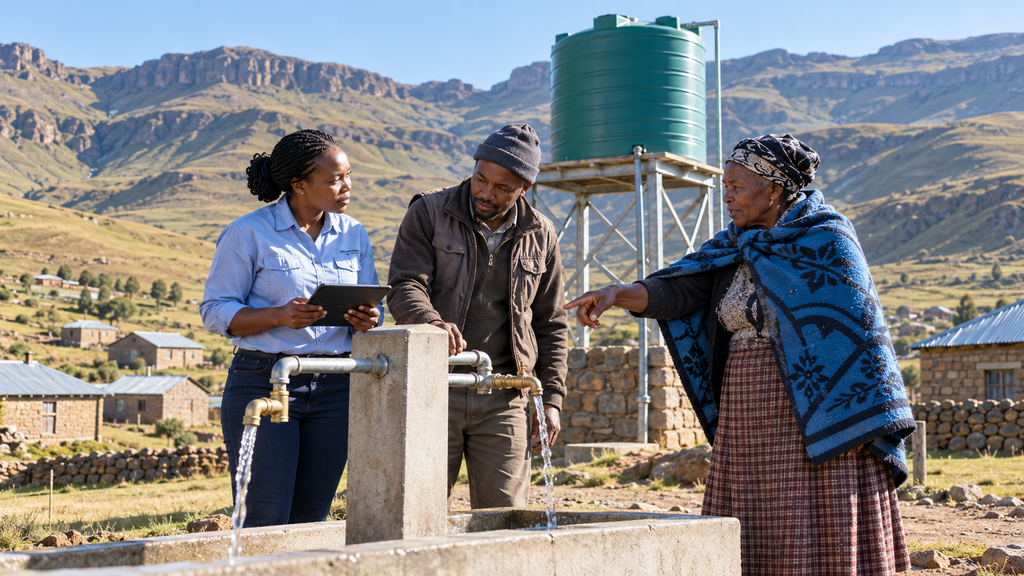
In August 2024, UNCDF reported seven completed water supply projects improving access for approximately 4,900 people by the end of 2023. Its account highlights community consultation, water committees, and training for local authorities.
These examples establish a practical foundation for discussing readiness: local priorities, accountable institutions, resources for delivery, and community involvement.
Protecting Land and Water Resources
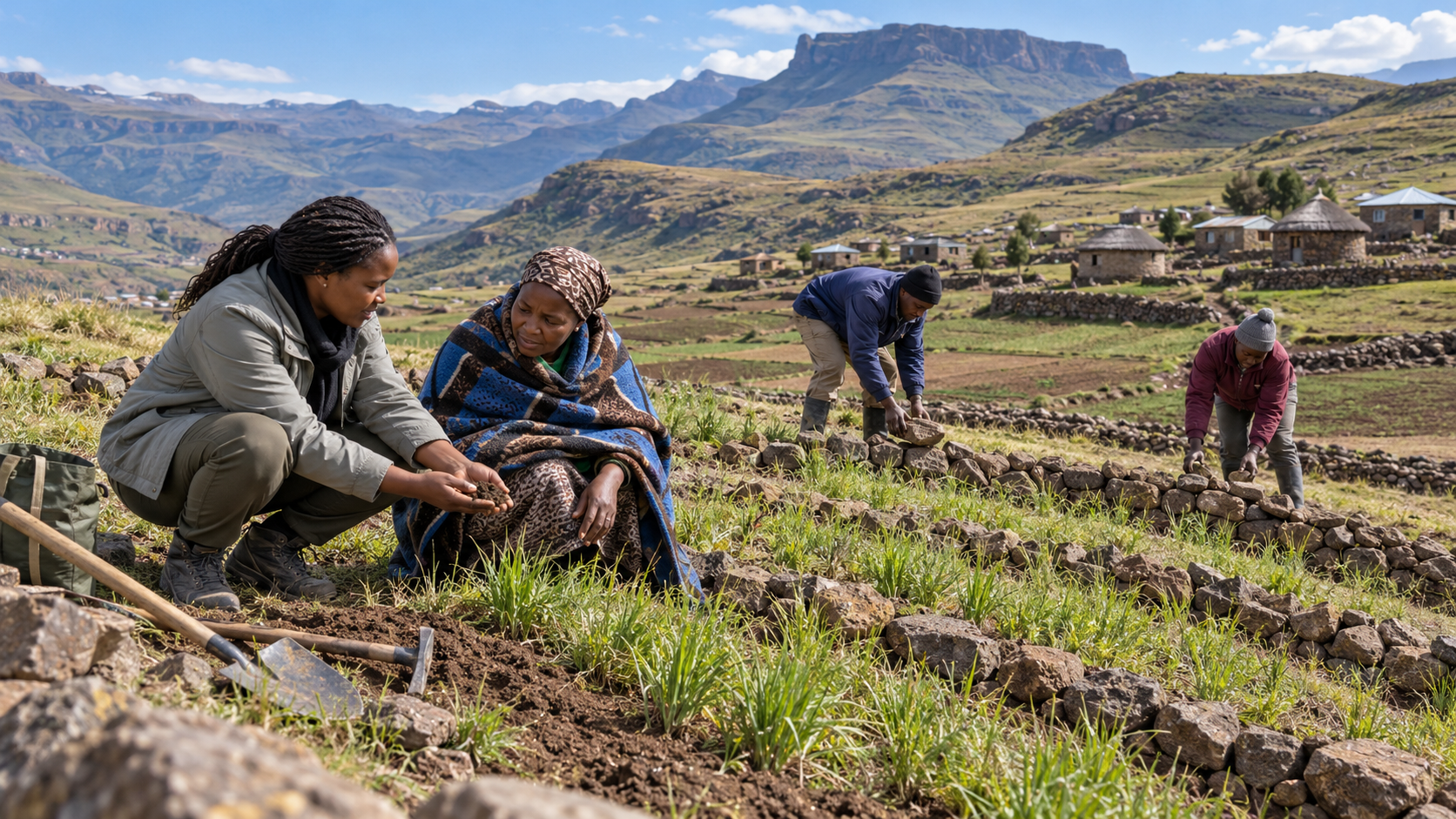
UNCDF also describes work on wetland demarcation, soil conservation, and water access for people and livestock. Measures include native tree planting and stone lines designed to slow runoff, reduce erosion, and improve water absorption.
DCI’s interpretation is straightforward. Climate engagement should connect technical contributions with local land and water management. Project design should account for resource rights, maintenance responsibilities, and the people depending on affected ecosystems.
Climate Information for Local Decisions
Lesotho Meteorological Services provides seasonal climate outlooks and information on rainfall, temperature, and potential drought or flood risks. These services support decisions on planting schedules, crop selection, water management, and preparedness.
For diaspora partnerships, an opportunity lies in helping local institutions interpret and apply climate information through training, research collaboration, and accessible communication.
Institutions for Basotho Diaspora Engagement
Lesotho’s National Diaspora Policy provides a framework for engagement with Basotho abroad. IOM’s account of the policy’s development describes consultation across government and migration-related institutions.
The government’s Directorate of Diaspora lists professional skills transfer, diaspora data profiling, financial literacy workshops, and investment forums among its activities.
DCI views these broader engagement structures as potential entry points for climate partnerships. Climate-specific responsibilities, technical partners, and participation arrangements would need clear definition.
Potential Contributions to Climate Readiness
DCI identifies several areas where diaspora expertise would complement local adaptation efforts.
Water engineers, agronomists, environmental scientists, and technical professionals would support locally requested assessments, training, and research. Universities and community councils should define the problems and retain responsibility for implementation.
Specialists in project management and finance would assist local teams with budgets, funding proposals, maintenance planning, and reporting. Contributions should strengthen domestic skills and support work continuing after an initial assignment.
Participation should remain voluntary. Household remittances serve family priorities, while dedicated climate contributions require transparent project arrangements and oversight.
Lessons for Diaspora Climate Readiness
Lesotho’s experience informs questions across DCRI’s five readiness areas.
Climate strategy and policy. Define how diaspora participation supports national and local adaptation priorities, with clear responsibilities and expected results.
Climate expertise networks. Identify interested Basotho professionals and match their skills with requests from local authorities, universities, and community organizations.
Dedicated coordination. Connect diaspora engagement institutions with climate authorities and local implementers through a consistent point of contact.
University and research collaboration. Develop partnerships supporting applied research, technical training, local data, and continued professional exchange.
Documented climate initiatives. Identify the specific diaspora contribution to each project and assess results alongside government and development partner support.
Measuring Results and Sustaining Benefits
Water projects should track availability, reliability, maintenance performance, and access during dry periods. Land management initiatives should monitor ecological condition and the continued use of agreed practices.
Skills partnerships should assess whether local staff apply new methods and maintain the work. Public reporting should explain spending, participation, operating responsibilities, and the distribution of benefits.
Claims about reduced climate vulnerability require evidence linked to specific hazards and communities. New infrastructure and training attendance provide part of the record.
Why This Case Matters
Lesotho illustrates the importance of connecting diaspora engagement structures with local institutions already delivering adaptation.
The readiness lesson is to establish clear participation routes, strengthen domestic capability, and sustain community oversight. Diaspora contributions should complement public responsibilities and climate finance while supporting locally defined priorities.
Explore DCI’s Climate Work
Explore the Diaspora Climate Readiness Index
Sources and Further Reading
United Nations Capital Development Fund. Investing in Water and People for Transformative Change in Lesotho, August 2024.
United Nations Capital Development Fund. Lesotho Country Program.
Lesotho Meteorological Services. Seasonal Forecast.
United Nations in Lesotho. National Diaspora Policy, July 2021.
Government of Lesotho. Directorate of Diaspora.