

Building the institutions, skills and partnerships for diaspora participation in semiconductor development
Explore Our Case Studies
Taiwan: Diaspora Expertise and Semiconductor Development
Malaysia: Connecting Diaspora Expertise with Semiconductor Upgrading
Philippines: Scientific Return and Research Partnerships
South Korea: Recruiting Overseas Engineers to Build Domestic Capability
Why semiconductor readiness matters
Semiconductor industries depend on skilled people, research capacity, specialized tools, suppliers and commercial relationships. Countries seeking greater participation need to understand the requirements of different activities and identify where domestic capabilities offer a credible starting point.
For DCI, semiconductor ecosystem readiness concerns the foundations supporting productive connections between diaspora expertise and domestic institutions. These foundations include clear responsibilities, capable local teams, access to technical resources and sustained industry partnerships.
Our focus begins with a practical question: how prepared are countries to connect their overseas engineers, researchers and industry professionals with defined domestic needs?
Pathways into semiconductor value chains
Semiconductor production includes chip design, wafer fabrication, assembly, testing and packaging. These activities depend on equipment, materials, software, intellectual property and research. Each segment has distinct technical requirements, costs and barriers to entry.
Countries should assess opportunities against their existing workforce, research institutions, infrastructure, supplier base and commercial demand. Priorities should reflect the capabilities local organizations are prepared to develop and sustain.
For countries across Africa and the wider Global South, readiness work should establish realistic priorities, identify capability gaps and define the partnerships needed for progress.
Connecting diaspora expertise with domestic needs
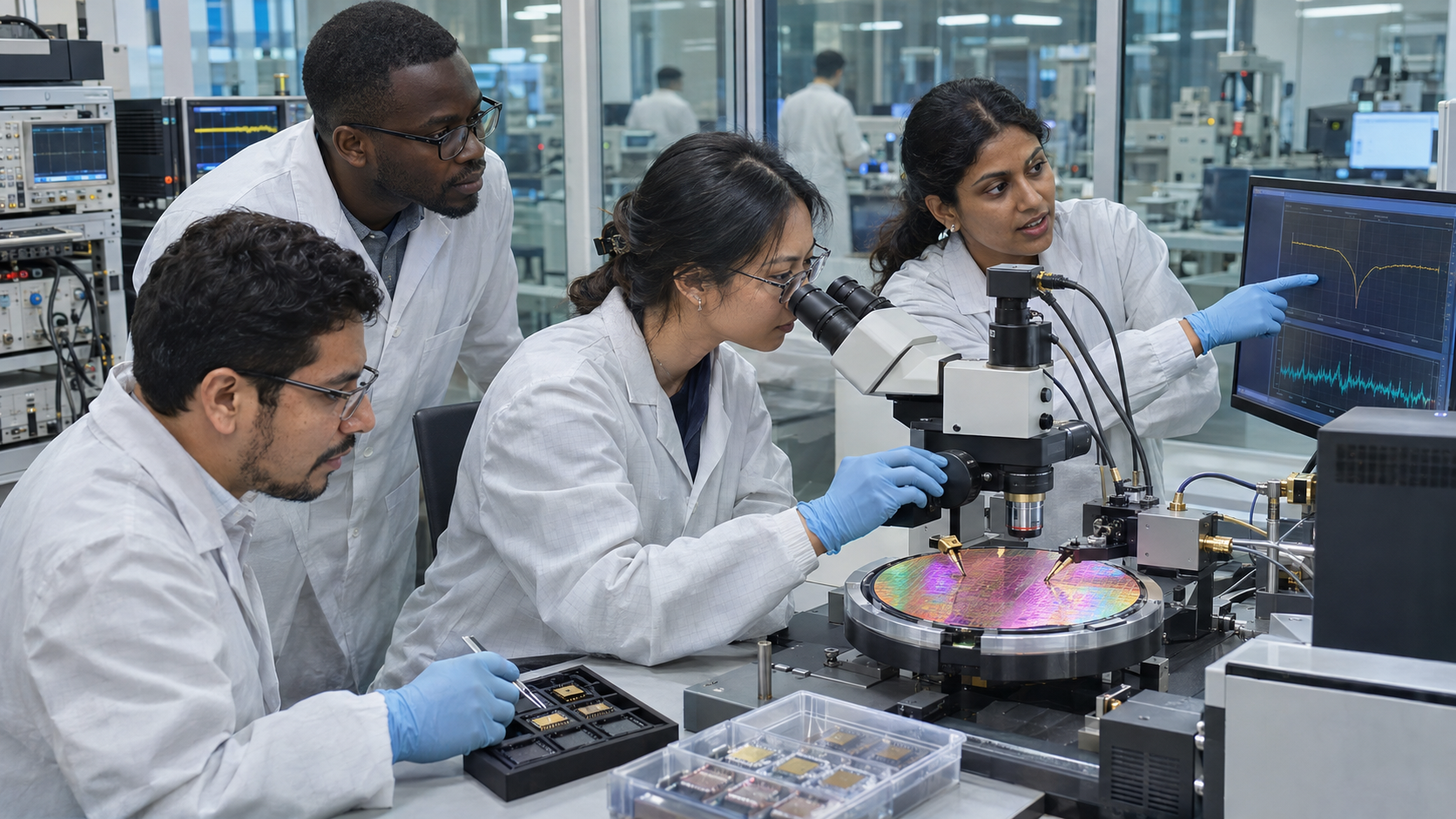
Diaspora engineers, scientists, entrepreneurs and industry professionals bring experience across design, manufacturing, packaging, testing and supplier development. Participation takes several forms, including mentoring, visiting appointments, joint research, technical assignments and entrepreneurship.
Effective engagement starts with a specific domestic requirement. A university might seek support developing a microelectronics curriculum. A research team might need technical guidance on a prototype. A supplier might require expertise in production quality or customer qualification.
Each collaboration should identify the receiving institution, local team, technical contribution, required resources and expected results. This gives overseas professionals a defined role and domestic partners responsibility for applying the knowledge.
From technical exchange to lasting capability
Readiness requires preparation within the organizations receiving diaspora expertise.
Local teams need time, training and access to relevant tools. Research partnerships need agreed responsibilities and arrangements for sharing knowledge. Technical assignments need follow-up, documentation and resources for continued work.
Assessment should examine what domestic teams retain and apply after an engagement ends. Relevant evidence includes continued use of research methods, adoption of teaching materials, improved technical processes and sustained collaboration.
Taiwan’s experience provides a historical example of overseas expertise working alongside research institutions, technology acquisition and domestic company development. The lesson concerns the interaction among these elements over time.
Learning across country experiences
Our case studies examine different routes for connecting international expertise with domestic capability. Historical experiences from Taiwan and South Korea sit alongside studies of Malaysia and the Philippines.
The Philippines study emphasizes scientific return and research partnerships. These institutional lessons inform semiconductor readiness discussions while preserving the distinction between broader scientific collaboration and documented semiconductor activity.
Each case requires attention to its industrial context, institutions and evidence. Lessons should guide country-specific assessment and practical discussion.
DCI’s approach
The Semiconductor Diaspora Readiness Index (SDRI) assesses the conditions supporting diaspora participation in semiconductor development across ten selected Global South countries.
The framework examines expertise networks, institutional responsibility, local learning capacity, technical collaboration, financing and industry connections, and accountability.
SDRI provides a provisional research benchmark for identifying readiness gaps and informing policy discussions. Scores assess foundations for diaspora engagement. Separate evidence is required to establish manufacturing capability, commercial performance or investment viability.
Our case studies complement the index by examining how institutions organize participation, support technical learning and sustain domestic capability.